Category Archives: Camp Techniques

Outdoors and camping techniques to help guide you with your outdoors lifestyle.

Charring Natural Materials

by Woodsbum

One of my MANY issues I have is my inability to either film, splice, or create a decent video in any form or fashion. Due to this definite deficiency in my skill set I tend to find good videos that others have done. This video is pretty good about charring natural materials.

I char a lot of different things to use with my flint and steel for starting fires. For quick and easy charring I tend to use a lot of heavy cotton cloth from JoAnn’s Fabrics. I do also use a lot of inner tree bark, cat tail down, punk wood for coal extention, various types of plant stalks, etc. Mostly anything that is light and porous that seems like it will char well gets tried out. Some does work while others don’t.

This video shows various natural materials and what the natural materials look like after having been charred.

Many videos about how to make a char tin or how to actually char material are available. This video is pretty good and shows how to make char cloth as well as lighting it with a firesteel. Of course there are hundreds of videos out there, but this guys cover some good points such as only making a small hole with an awl or nail rather than a slit with a knife. He also mentions something that many people I teach charring to, which is the way that the lid always sticks after the charring is done. He doesn’t really show how long to char it. I personally keep it on the fire until I don’t see much smoke left at all. I actually char things longer than most, but since I live in a very wet/moist type environment the drier the char cloth the better.

I hope you enjoyed this post about charring and use of natural materials as a char media. If I can get a video put together that I am not completely ashamed of, I will try and get something built to show you a couple good char tin tricks.

  • Share on Tumblr

Miner’s Lettuce

by Woodsbum

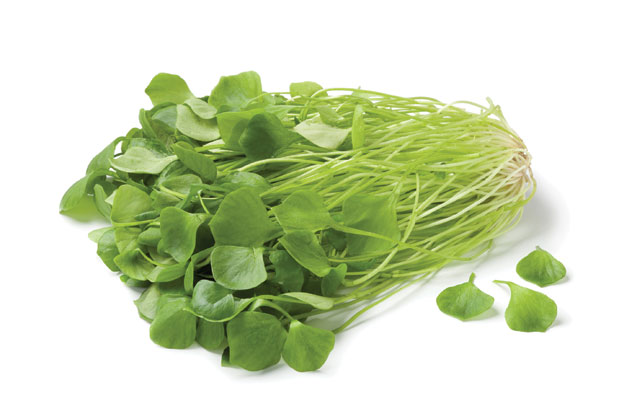
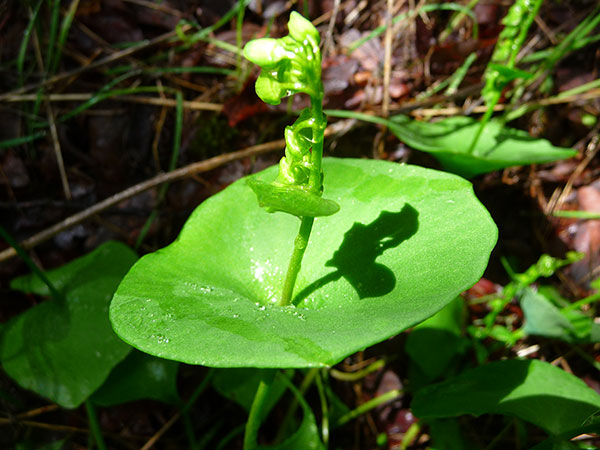
As a way to introduce more foraging subjects into my site, I give to you: Miner’s Lettuce. Miner’s lettuce is also known as claytonia perfoliata and is a single green leaf coming from a disproportionate stalk. It looks like this in summer:

claytonia-perfoliata

or this in spring or fall:

minerslettuce

It is best harvested in spring or fall, but if you need some nutrients it is perfectly fine to be eaten during the summer months as well. It does taste a bit “tinny” compared to spring or fall, however. This might just be my taste bud’s opinion because I have heard other people deny that they had the same experience.

This plant is actually quite nutritious and will supplement your diet quite nicely. From what I have been told, many people actually grow and harvest it at home in their own gardens. I will admit that it does go nicely with a “spring mix” salad and a few croûtons.

Here is a great video about miner’s lettuce that gives you about any info you could ever want on the subject.

Have some fun and see if you can find any on your next outing. It is always fun to reach over and start eating things as you walk by if for no other reason that to freak out your hiking partners.

  • Share on Tumblr

Making a Simple Snare

by Woodsbum

This last weekend, I attended our annual bowhunting instructor’s in service training. It seems that every year there is some subject about bushcrafting that crops up and this year was no different. Amazingly it was all about simple snares and carrying snare wire in your PSK (personal survival kit).

There are many thoughts about this subject, albeit not nearly as debated as batoning your knife or whether the 9 mm, .45 acp or .40 cal is the better defensive round. Many people think that setting snare is all fine and dandy, but a problem arises in the fact that you have to leave your snare up for long periods of time to be effective. The more you visit your snares to check them and the less time you leave them up, the less chance of catching something you have. It also ties you down to a single area of operations because you can’t just leave your snares set and then leave. The good thing that snares do is allow you to expend very little energy in the hopes of gaining a meal. The gear is very lightweight, easy to carry, and are extremely easy to set. These reasons make the use of snares in a survival situation a great resource.

I have included the following video that I found to explain the use and setting of snares out of 24 gauge wire. I personally use the stainless steel wire that comes in a roll that can be purchased at Home Depot. It is great stuff and can also be used as cordage if the need crops up.

  • Share on Tumblr

2 Strand Twist

by Woodsbum

I got into a discussion the other day about natural cordage and 2 strand twists. Now, I am not the best person at natural cordage because I tend to over stress the material and break it. This has led me to practicing with man made cordage. At the end of this post are three videos. Two are about making cordage out of natural materials and one shows how to do the  2 strand twist with man made materials to get the technique down.

In my area, nettles are very common and easy to harvest. Cordage material is in no short supply here, which is lucky for me considering how much I break. Lots of material really are necessary to practice with to become even slightly proficient.

To effectively find cordage materials, just go out and see what is available in your area. Most plant materials that pulls apart into long strands of fiber can usually be twisted and made into a cordage of some sort. The last video gives you a look at how to strip willow bark for use.

Here is the practice video to show you how the whole 2 strand twist works and is done.

This video shows how to use nettles to make cordage. Be sure you are careful when you strip the fibers off the plant. I tend to break them more often than not. Just practice and be careful.

This last video shows you how to strip willow bark for cordage material.

The techniques seen in this video should give you enough of a basic knowledge to go out and do some testing of different materials in your area. Just go out and have some fun!

  • Share on Tumblr

Scotch Auger

by Woodsbum

Finding new and exciting tools to play with is almost an obsession for us “outdoorsy” types. New styles of axes, knives, saws, and the sort are always sought after and prized. A couple years ago I found a hand tool that I had never known about. The Scotch eyed auger is a sort of drill that can be used to drill holes in wood for such projects as stools, mallets, etc. At the end of this post I included two videos of people building nice projects with theirs. Unfortunately I have not built any “project” items with mine, but use mine for building cooking frames, drying racks, or privacy shelters while out in the field. I don’t tend to take pictures of those. Once you see the tool and how it is used, you will see the countless uses you would have for such a tool while in the field.

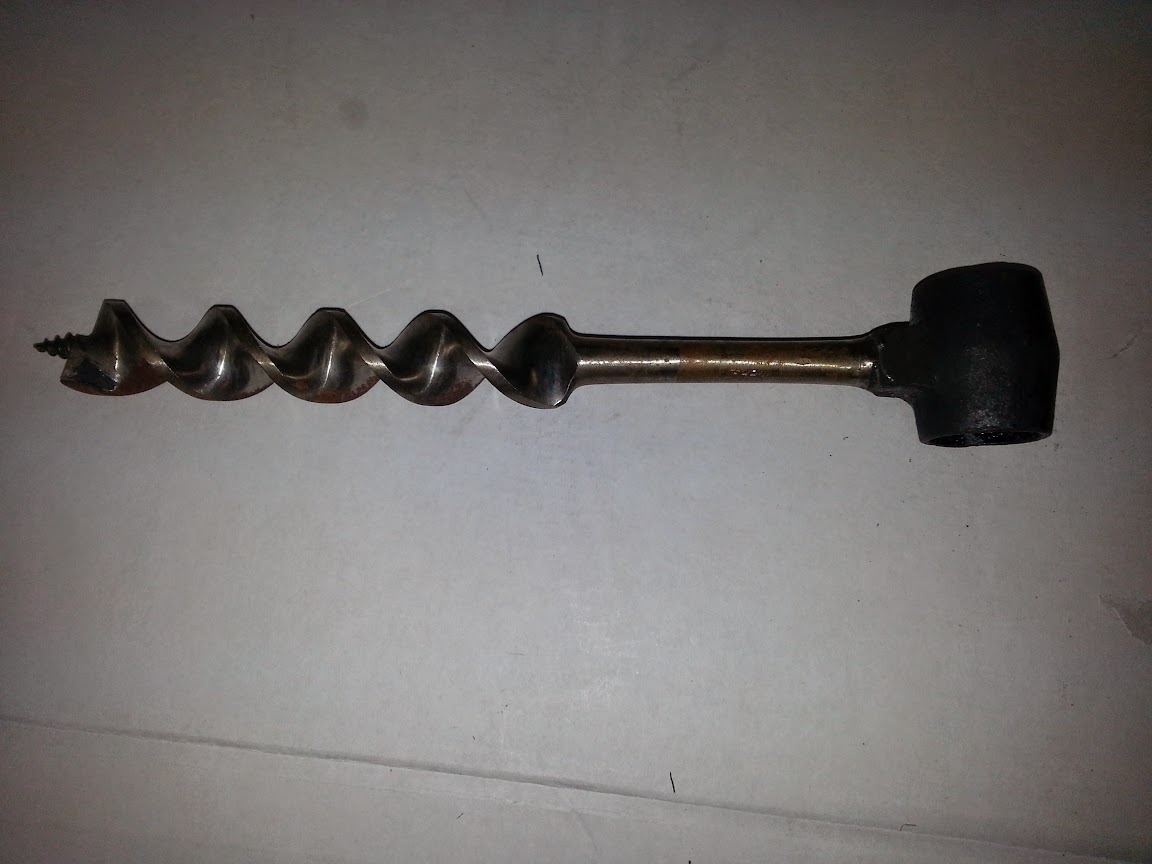
Here is what a Scotch eyed auger looks like.

Scotch eyed Auger

Scotch eyed Auger

It has a large eye at the top for inserting branches into as a way to make a handle.

Scotch eyed auger

Scotch eyed auger

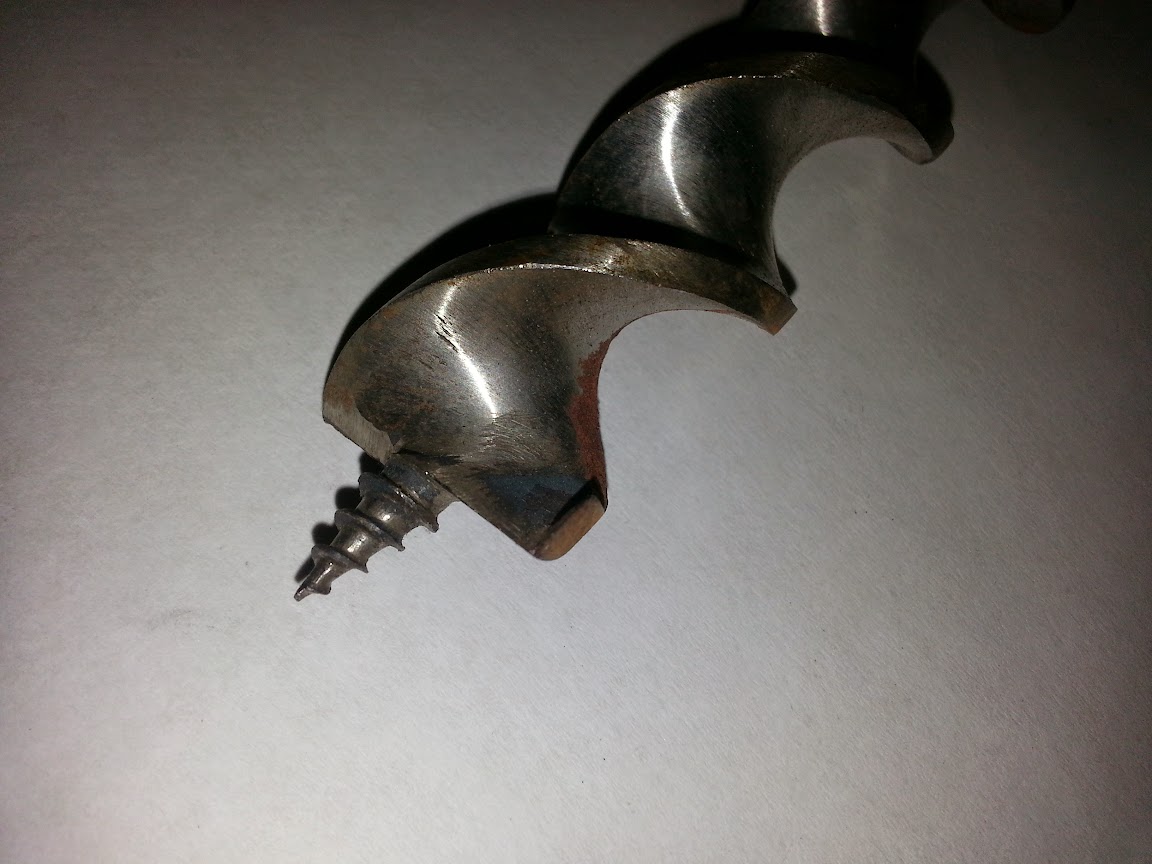
The end is just a screw point and cutting surface that is surprisingly sharp and easy to sharpen. Very simple idea and concept, but also very effective.

Scotch eyed auger

Scotch eyed auger

Again, the possible uses are countless. Here are two videos of people using an auger to make different projects. Tools such as mallets in addition to the framed structures I make for around camp are simple with one of these augers. I have also seen people make various different types of camp furniture with these things. The sky’s the limit!!!

Enjoy the videos I found. If you want to buy a Scotch auger, EBay and UK Amazon are your best bets. I got mine shipped from the UK for about $20 total price.

  • Share on Tumblr